Monkista: A Script Font for Professional Branding
As a small business owner, I know how important it is to create a brand that feels consistent, professional, and trustworthy. One of the simplest yet most powerful tools for achieving this is choosing the right font. That’s where Monkista comes in—a beautiful script font that brings elegance and personality to every project.
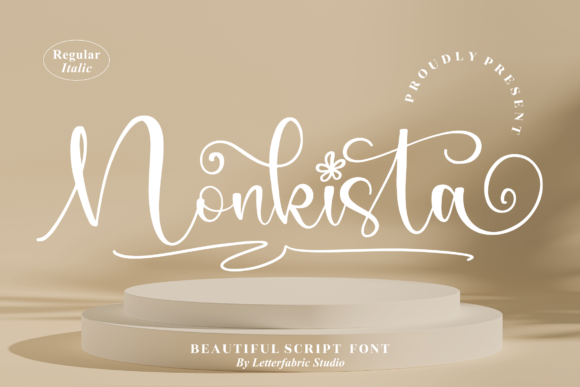
Monkista is a script typeface with a soft, flowing style that feels both modern and timeless. It has a handwritten quality that adds warmth and authenticity, making it ideal for brands that want to feel approachable and creative. Whether you're designing a logo, a product label, or a social media post, Monkista can help your brand stand out while maintaining a polished look.
How Monkista Can Elevate Your Brand Materials
From logos to packaging, Monkista offers versatility that makes it perfect for a wide range of business needs. For example, if you run a bakery or a handmade candle shop, using Monkista on your product labels can instantly give your items a more premium feel. The font’s fluid curves and subtle variations make it feel like it was designed by hand, which aligns perfectly with the artisanal nature of many small businesses.
Monkista also works well as a headline or display font. Pair it with a clean sans serif font like Arial or Helvetica for a balanced look that’s easy to read. This combination is great for website banners, email newsletters, or Instagram posts where you need to grab attention without overwhelming the viewer.
Real-World Applications for Small Businesses
Imagine you’re running a boutique or an online shop selling unique home goods. Using Monkista on your product packaging can help reinforce your brand identity and make your products more memorable. It’s also useful for creating eye-catching social media graphics, such as promotional posts or Pinterest boards, where visual appeal is key.
If you own a café or a service-based business, Monkista can be used on menus, signage, or even thank-you cards. Its elegant style helps convey a sense of sophistication, which can be especially helpful if you're targeting a more upscale audience. At the same time, the font remains readable enough for small text on printed materials like receipts or business cards.
When to Use Monkista
Monkista is best suited for situations where you want to add a touch of personality and style. It works well as a logo font, especially for brands that want to feel creative or artistic. However, it’s not always the best choice for body text—especially in digital formats where clarity is crucial.
For example, if you’re designing a website, use Monkista for headings and titles, but pair it with a more readable font for paragraphs. This ensures your content is easy to scan and understand while still maintaining a cohesive visual style. Similarly, when creating print materials like flyers or brochures, use Monkista sparingly to avoid clutter and maintain readability.
Testing Monkista Before Full Implementation
Before committing to a font for your entire brand, it’s wise to test it in different contexts. Try using Monkista on a few key materials—like a logo, a social media header, or a product label—and see how it looks in real-world scenarios. Pay attention to how it appears on mobile screens, printed documents, and digital ads to ensure it maintains its visual appeal across all platforms.
You can also experiment with different sizes and weights to find the best balance between style and legibility. If you’re unsure about how a font will look in practice, consider using a font preview tool or working with a designer to get feedback before finalizing your design choices.
Font Pairing Tips for Business Use
One of the easiest ways to make Monkista work well in your branding is by pairing it with complementary fonts. For instance, pairing it with a simple sans serif font creates a clean, modern look that’s perfect for websites or marketing materials. Alternatively, combining it with a classic serif font like Times New Roman or Georgia can give your brand a more traditional and refined feel.
The key is to maintain a balance between decorative and functional fonts. While Monkista adds character, it should never overshadow the other elements of your design. Always prioritize readability, especially in areas where customers will interact with your brand regularly, such as packaging or digital ads.
Commercial Licensing and Font Usage
Before using any font in a commercial setting, it’s important to check the licensing terms. Some fonts are free for personal use only, while others require a license for business or resale purposes. Make sure you understand what you’re allowed to do with Monkista, especially if you plan to use it on products, packaging, templates, or client work.
By following the proper licensing guidelines, you can ensure that your brand stays compliant and avoids any legal issues down the line. Many font marketplaces, including Script Amp, offer clear licensing information so you can make informed decisions about your design assets.
Whether you're starting a new business or rebranding an existing one, Monkista is a versatile and stylish option that can help elevate your brand’s visual identity. With its elegant script style and practical applications, it’s a font that can grow with your business and adapt to your evolving needs.